











































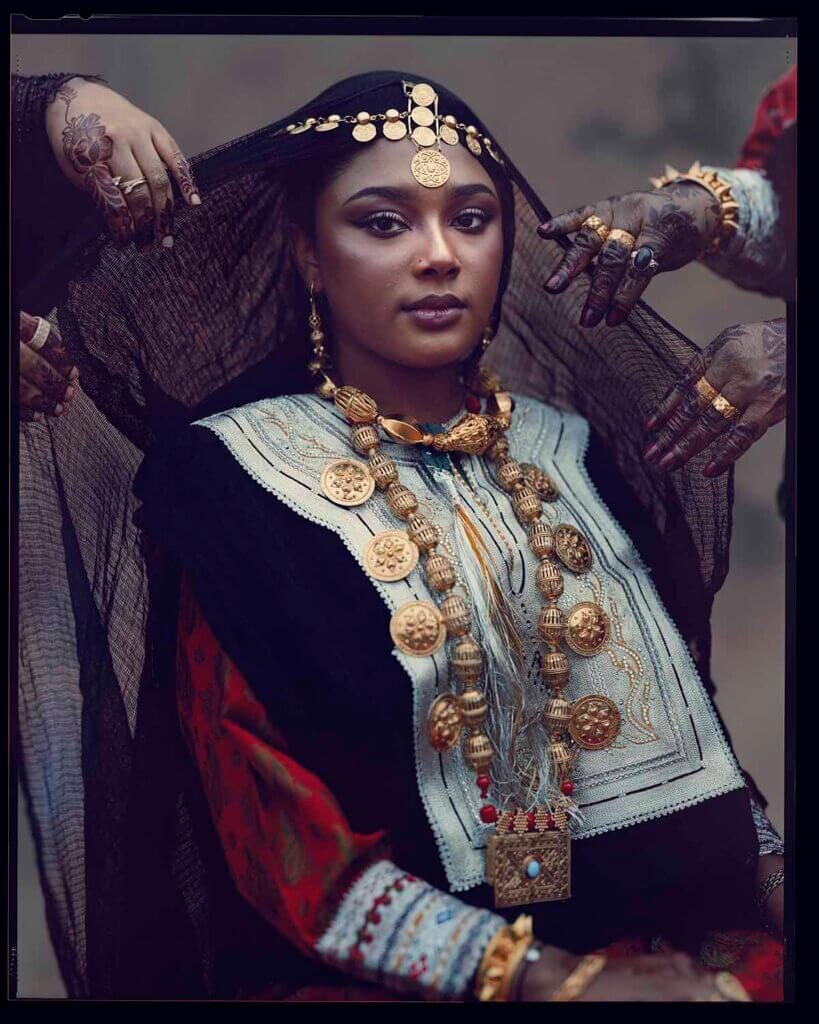

The Kalash People
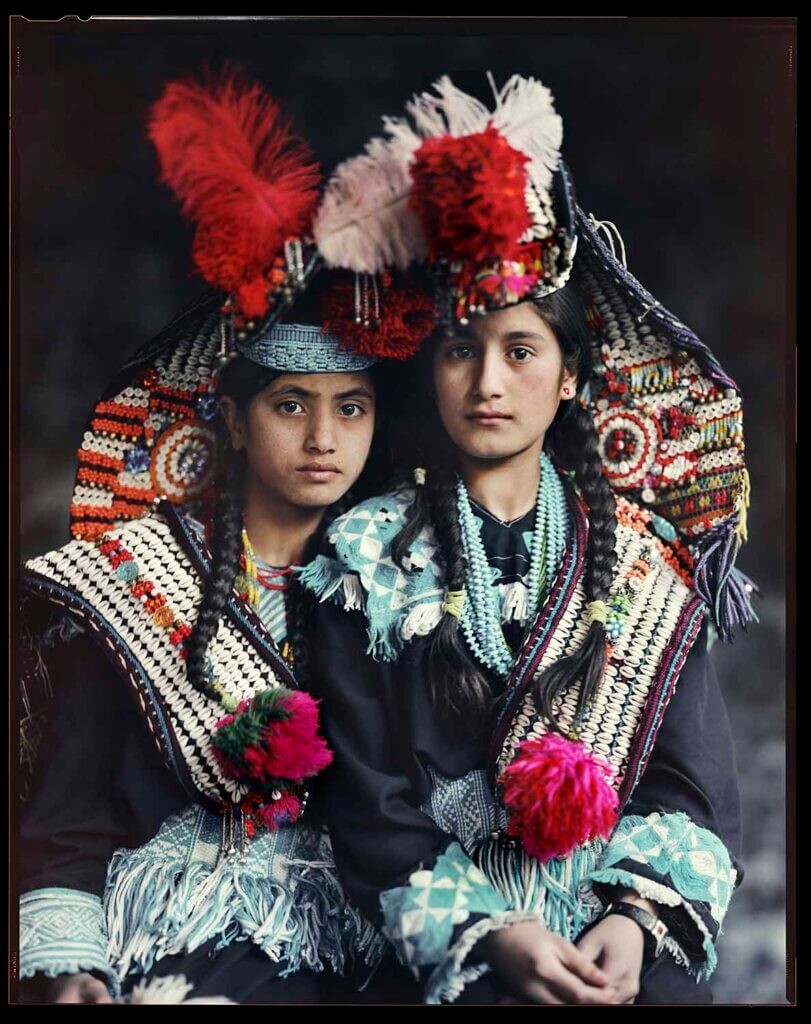
The Kalash People
The Kalash People
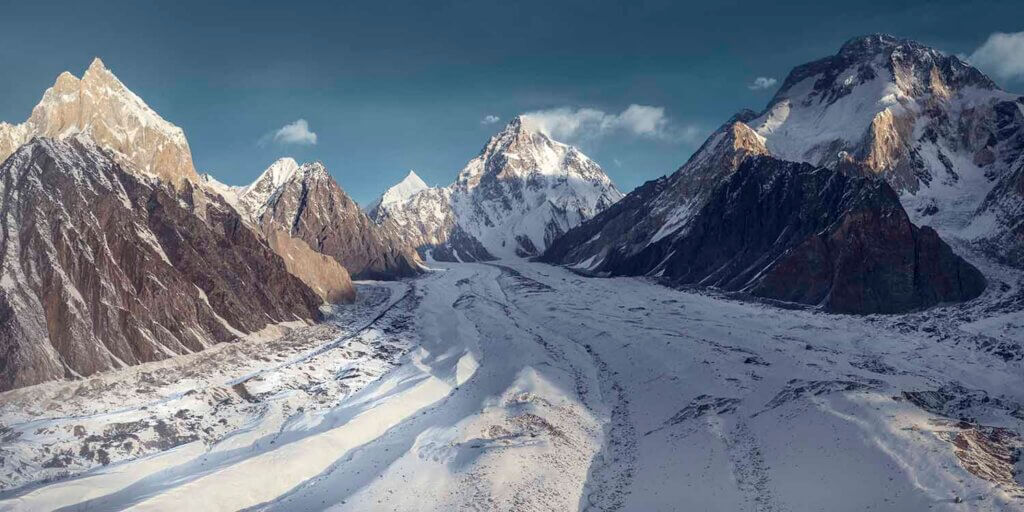
Photographing the Silence
Where the Baltoro Glacier splits and the valley opens onto Concordia, K2 rises at the center of the world’s most concentrated gathering of high peaks.
No village, no path worn by daily life. Only ice, rock, and a scale that reduces human presence to a single set of footprints in the snow.
This is the land that shapes everything downstream of it: the rivers, the pastures, the people who have built their lives at its edges for generations. To photograph it is to photograph the silence the Kalash and every mountain community carry with them. The presence of something vastly older, and vastly larger, than any one life.
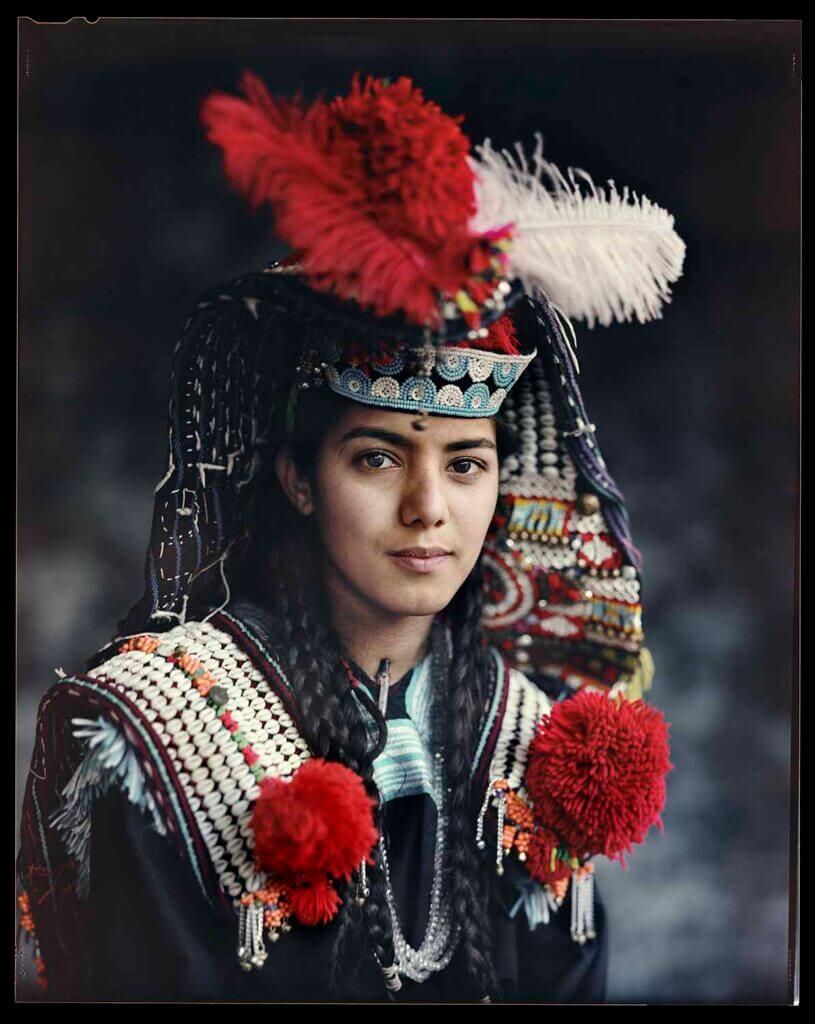
Here, identity is worn.
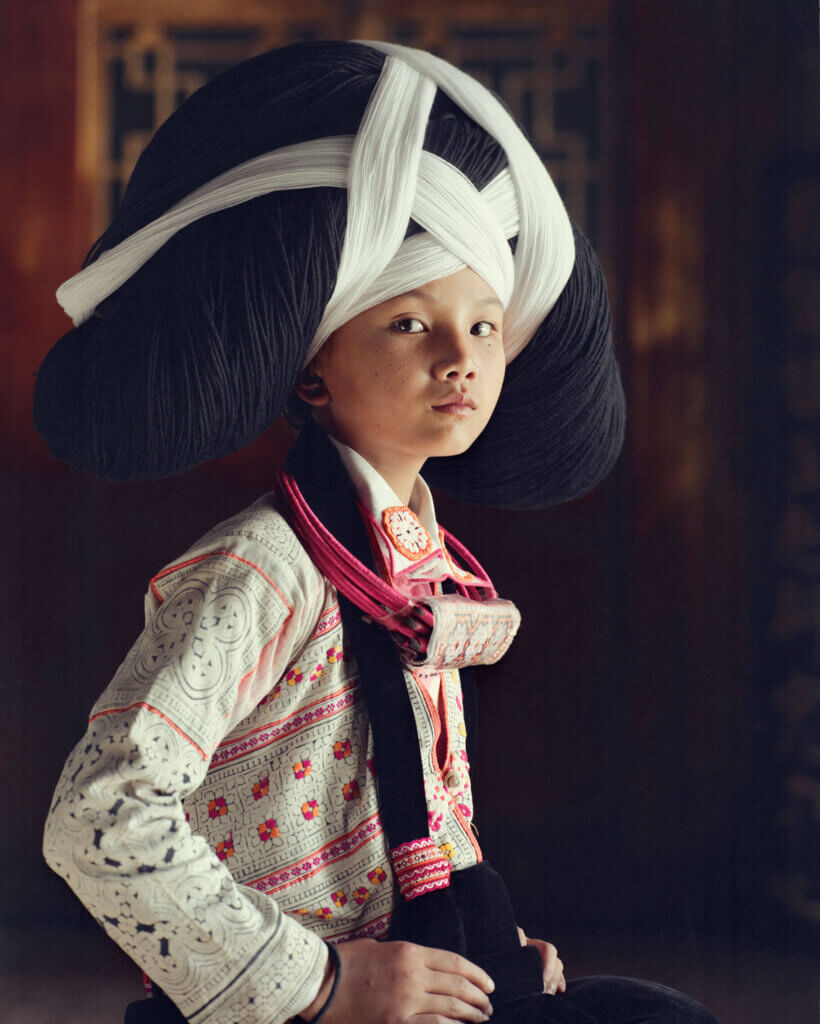
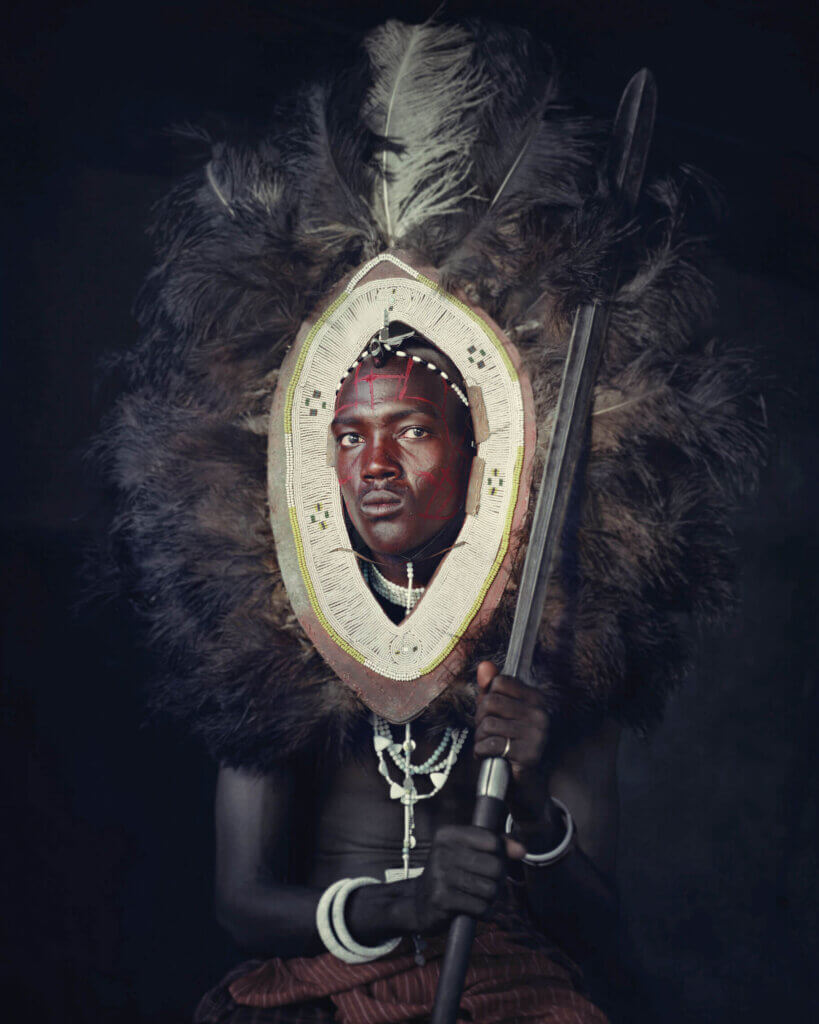
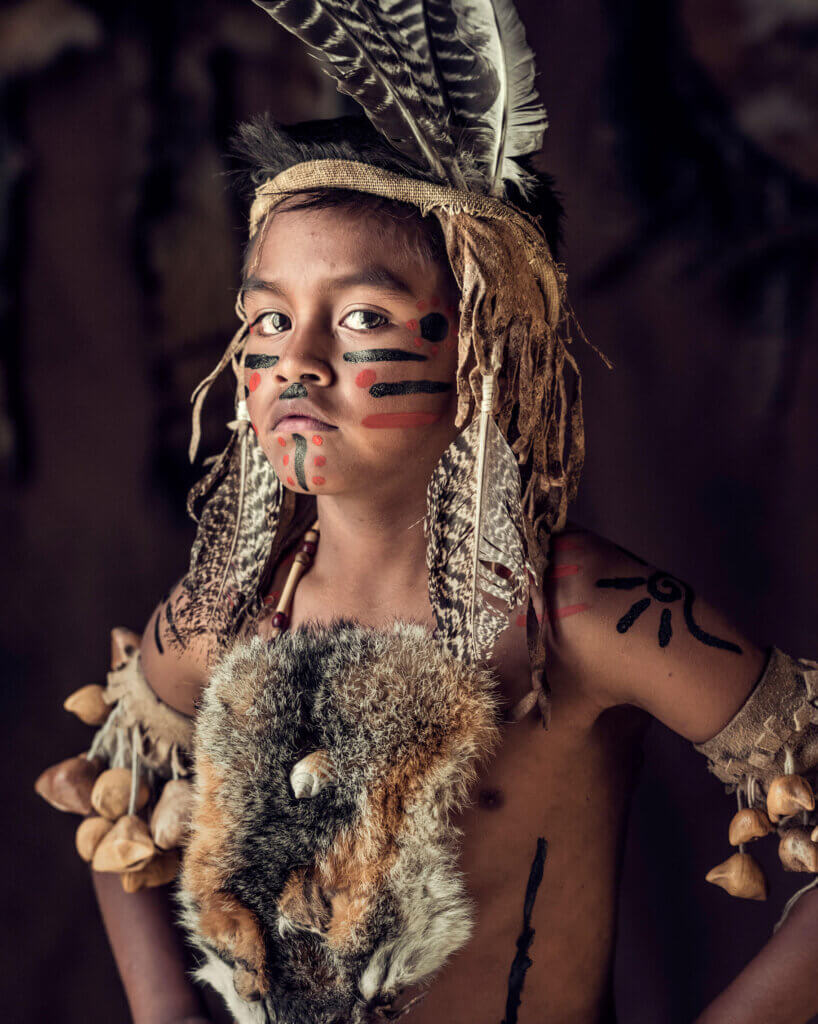
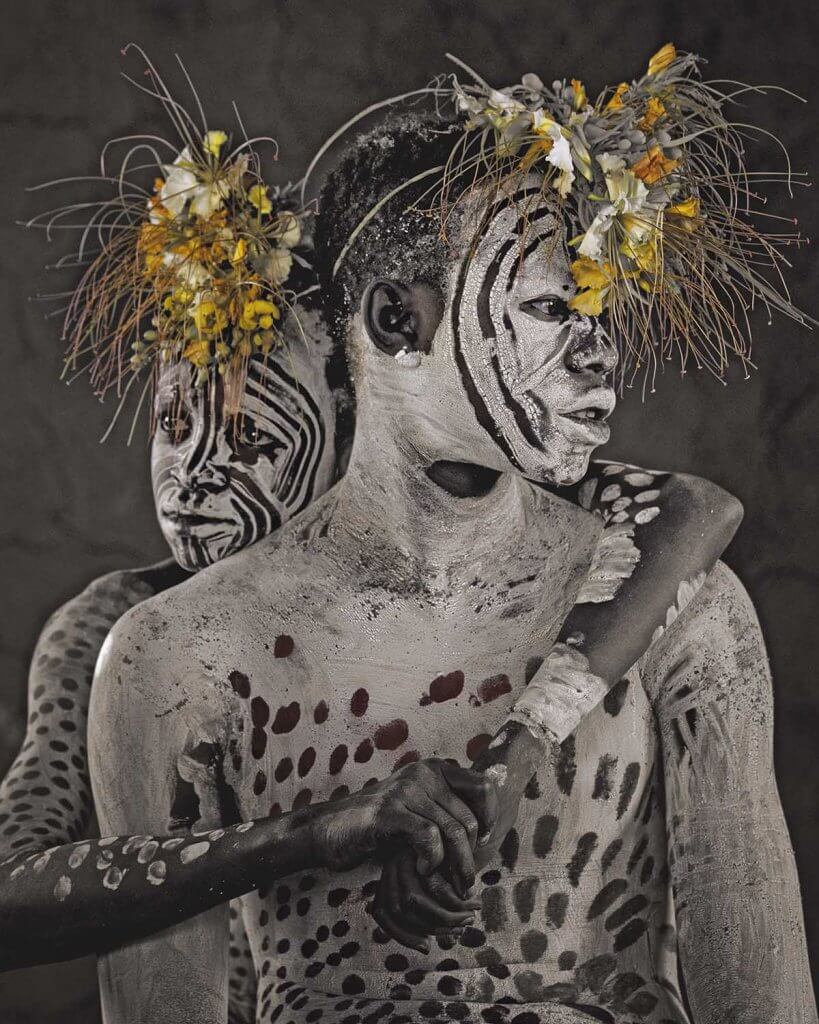
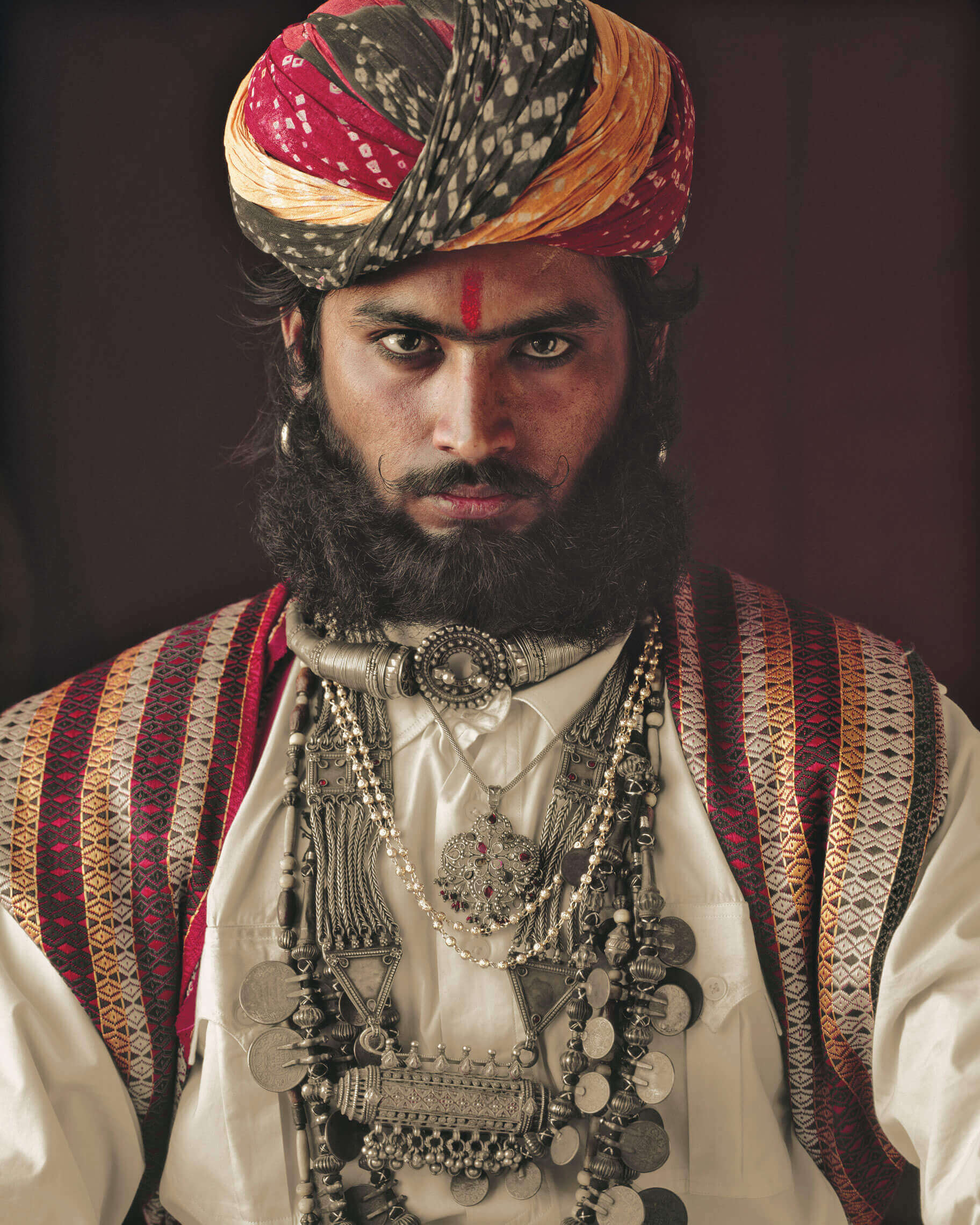
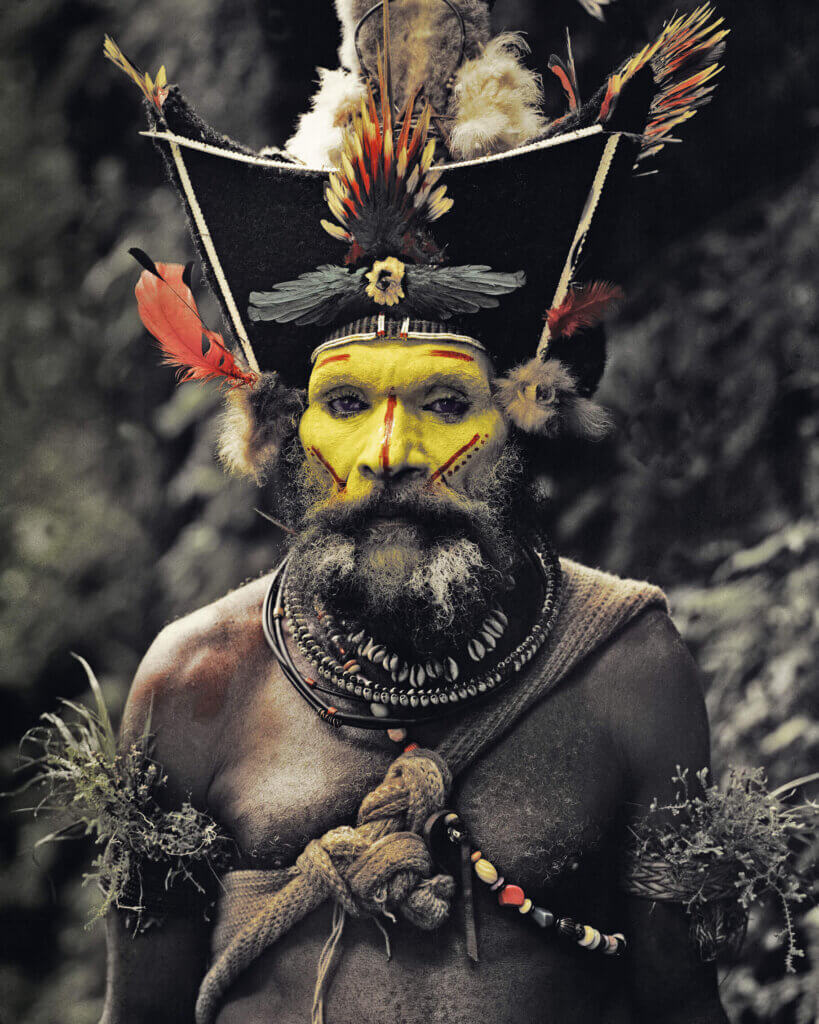
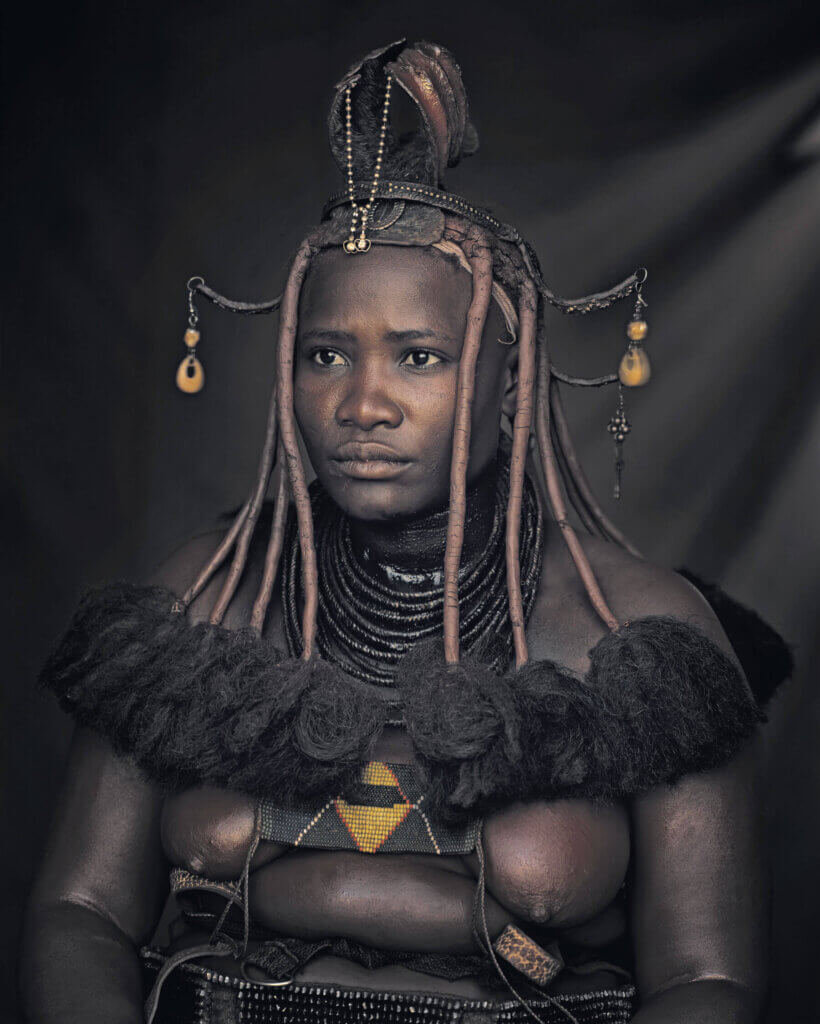
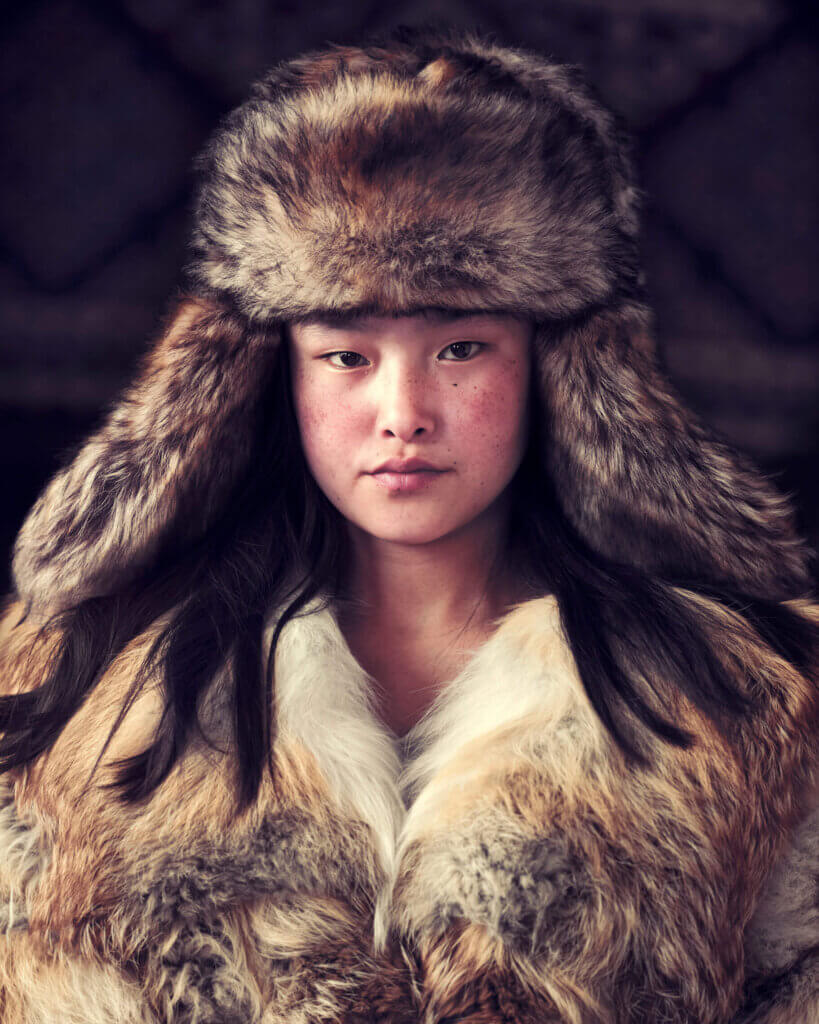
Headdresses trimmed with cowrie shells and crowned with feather and wool carry the weight of lineage and belonging; black robes embroidered in red and orange are not costume but daily life, and daily celebration.
The Kalash do not perform their culture for an audience. They live inside it, and on the days the community gathers, in courtyards, on stone steps worn smooth by generations, that culture becomes visible in its fullest form.
This is not a people fading from view. It is a people who have decided, again and again, across centuries of pressure to disappear, to remain exactly who they are.
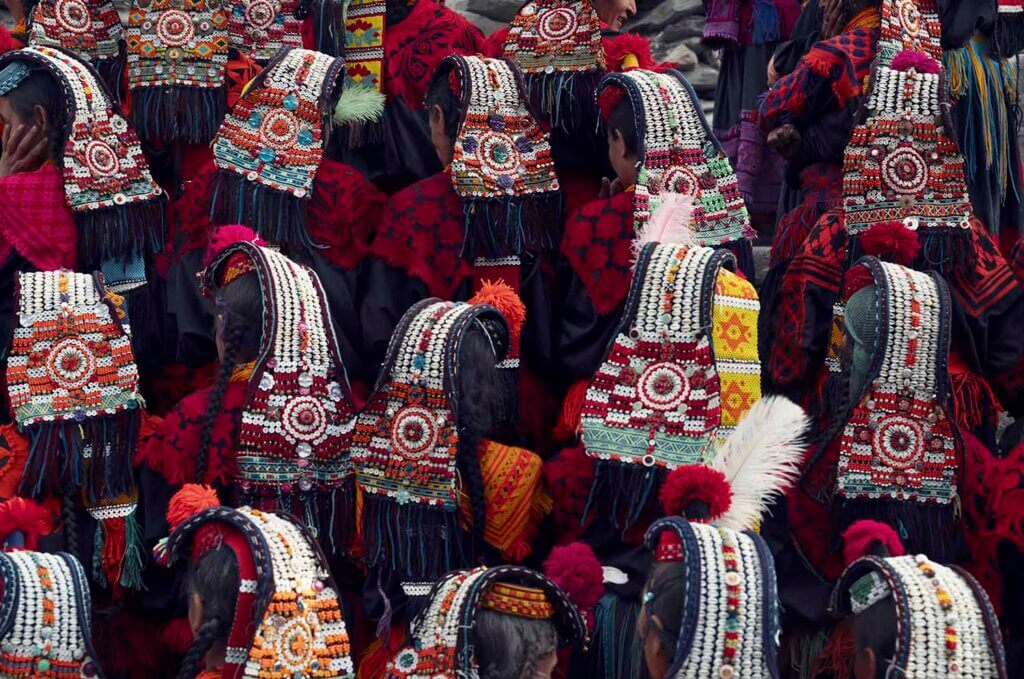
The valley as the keeper of memory
For the Kalash, culture is not something practiced by individuals.
It survives because it is held collectively. Rumbur, Bumburet, and Birir are not just three valleys — they are three living archives, sustained through families, elders, musicians, and the shared work of everyday life. What one person remembers, the community enacts together, which is precisely why the gathering itself, not just the belief behind it, is what keeps the culture alive.
Decision-making is communal, and social structure is markedly egalitarian: there is no ruling class, no single authority who speaks for the valley. Elders guide, but belonging is not inherited through hierarchy, it is renewed through participation. Every wedding, harvest, and season turn is a moment where the whole community is called to show up, dressed, adorned, present. To stand together on the steps of a village, dressed in the full weight of ceremonial dress, is itself an act of continuity: proof, worn on the body, that the culture is still being chosen.
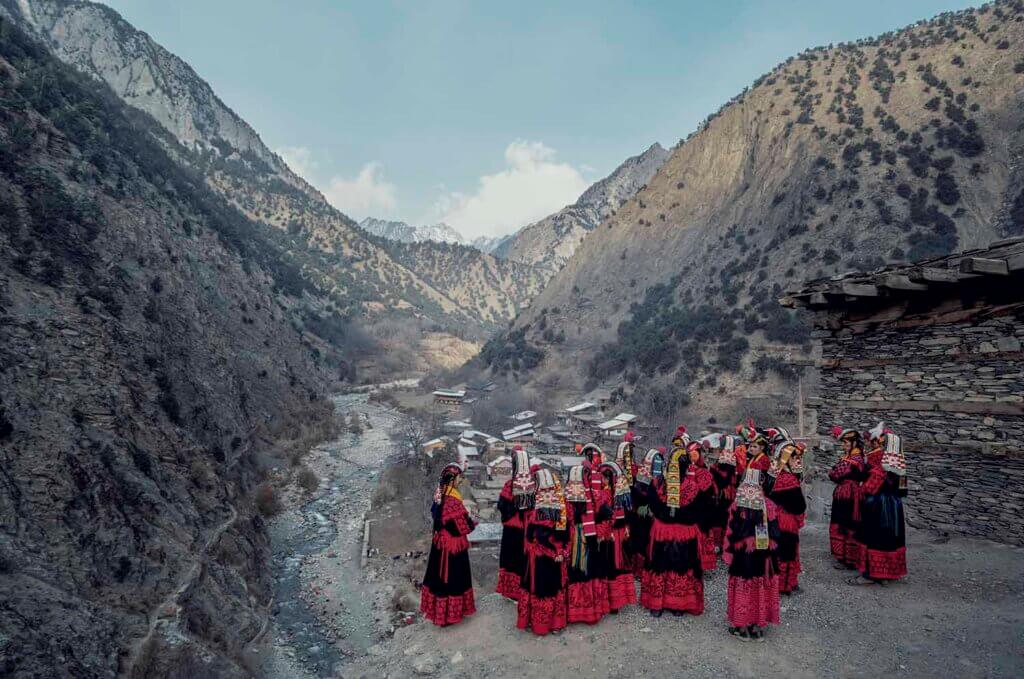
The Kalash People

Jimmy Nelson App
The app is back online!
We’re busy reconnecting all videos and will have everything running smoothly again very soon.

Newsletter Signup
Subscribe to our newsletter today and embark on a journey with Jimmy Nelson. Plus, enjoy the added thrill of a monthly chance to win an exclusive Cardset!