









































The Omani People
The Omani People
The Omani People
Oman
Oman is a country that rewards those who slow down.
Tucked at the southeastern edge of the Arabian Peninsula, it stretches from the dramatic limestone canyons of the Hajar mountains to the white dunes of the Sharqiyah Sands, from ancient mud-brick villages perched above wadis to a coastline where the Indian Ocean meets the frankincense coast. It is one of the oldest continuously inhabited regions on earth and it carries that depth quietly, without announcement.
The Omani
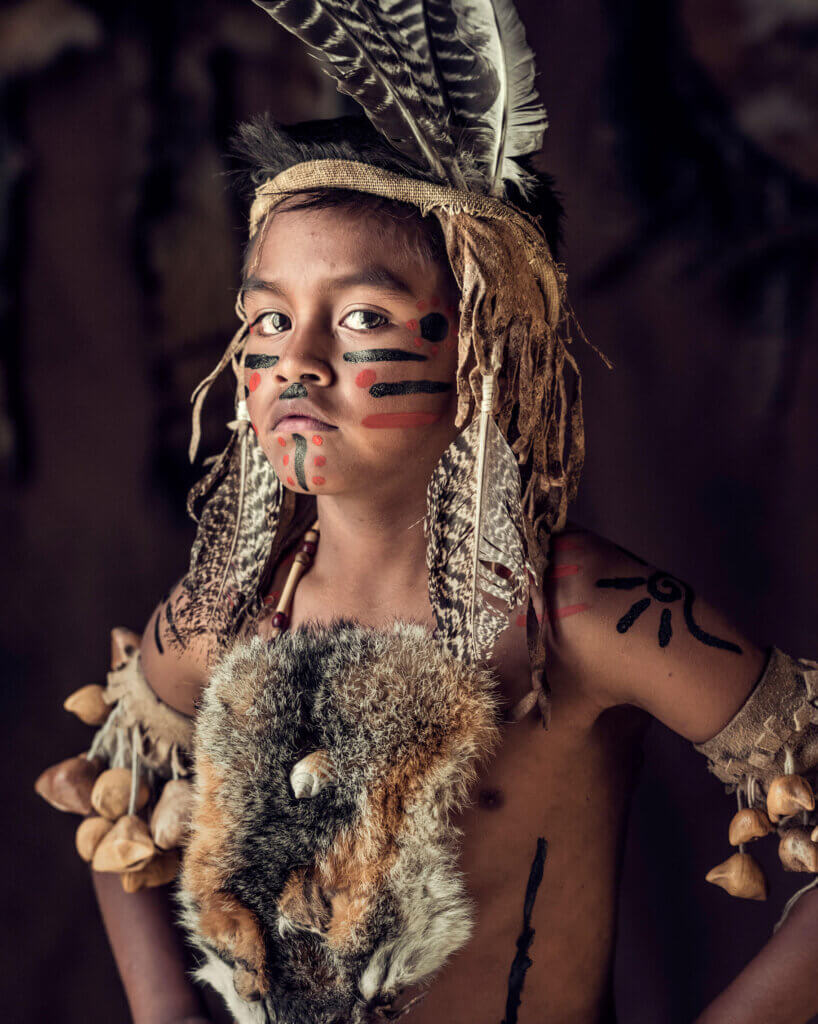
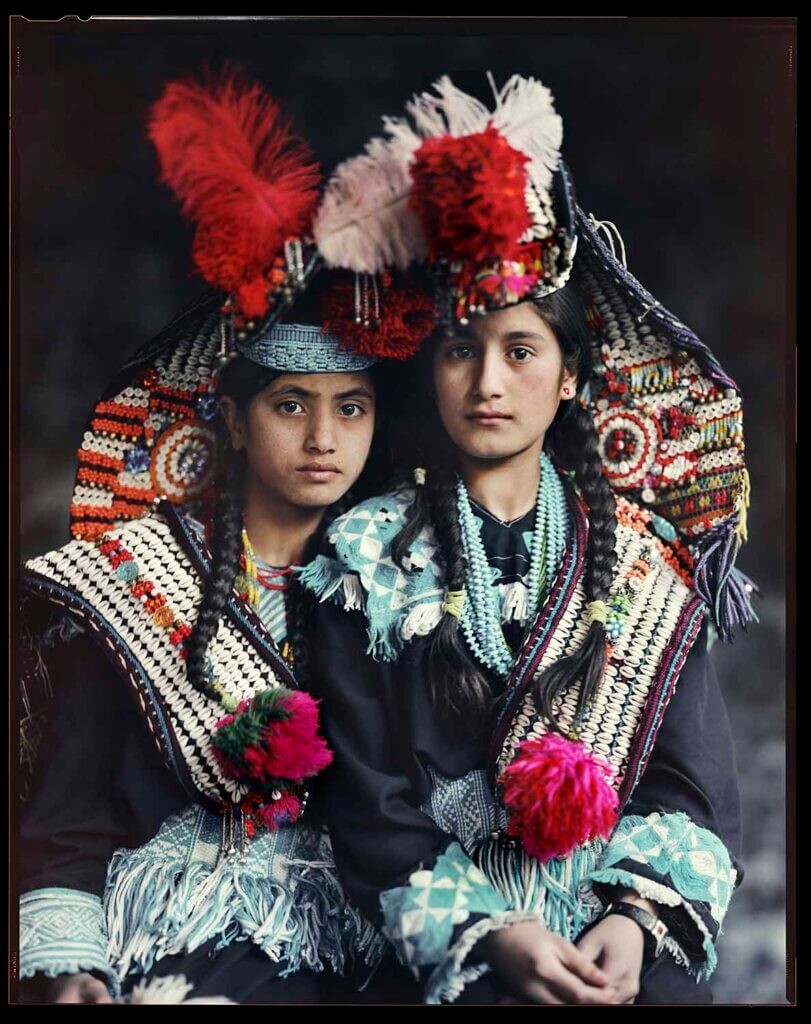
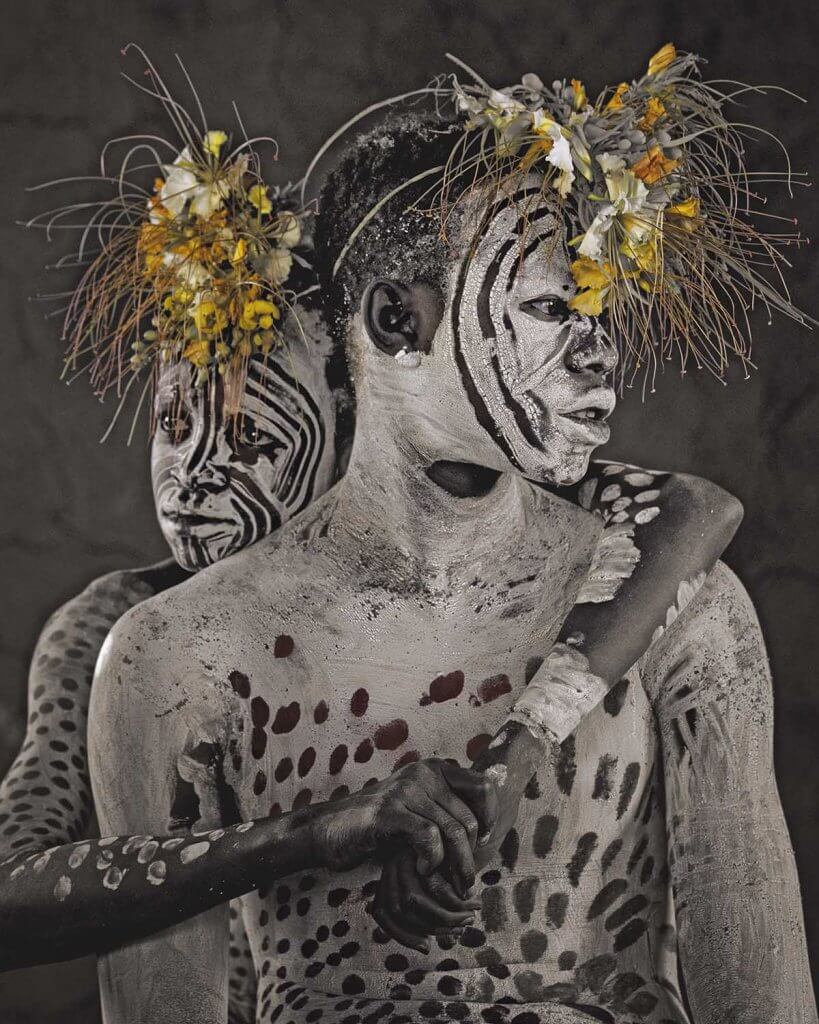
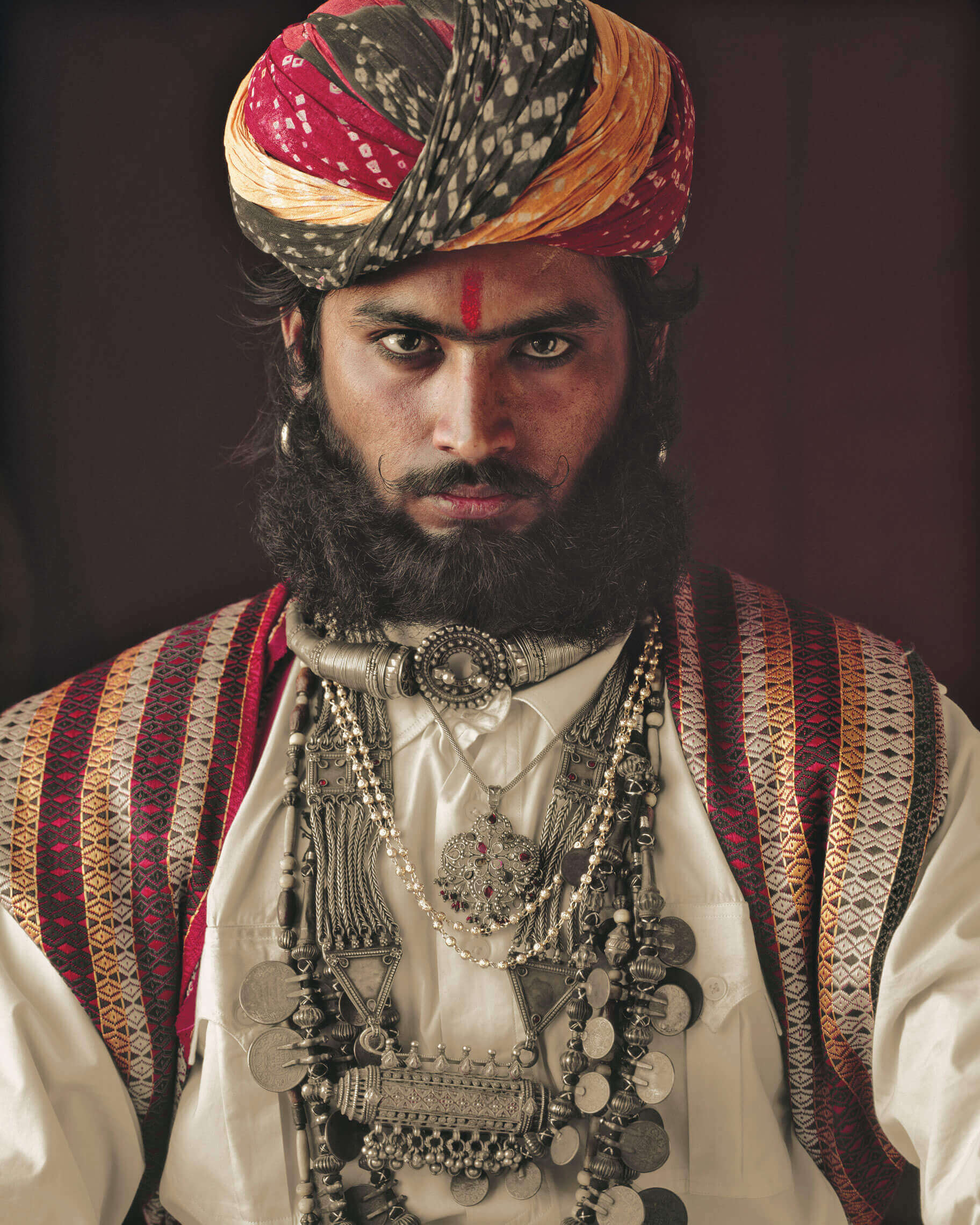
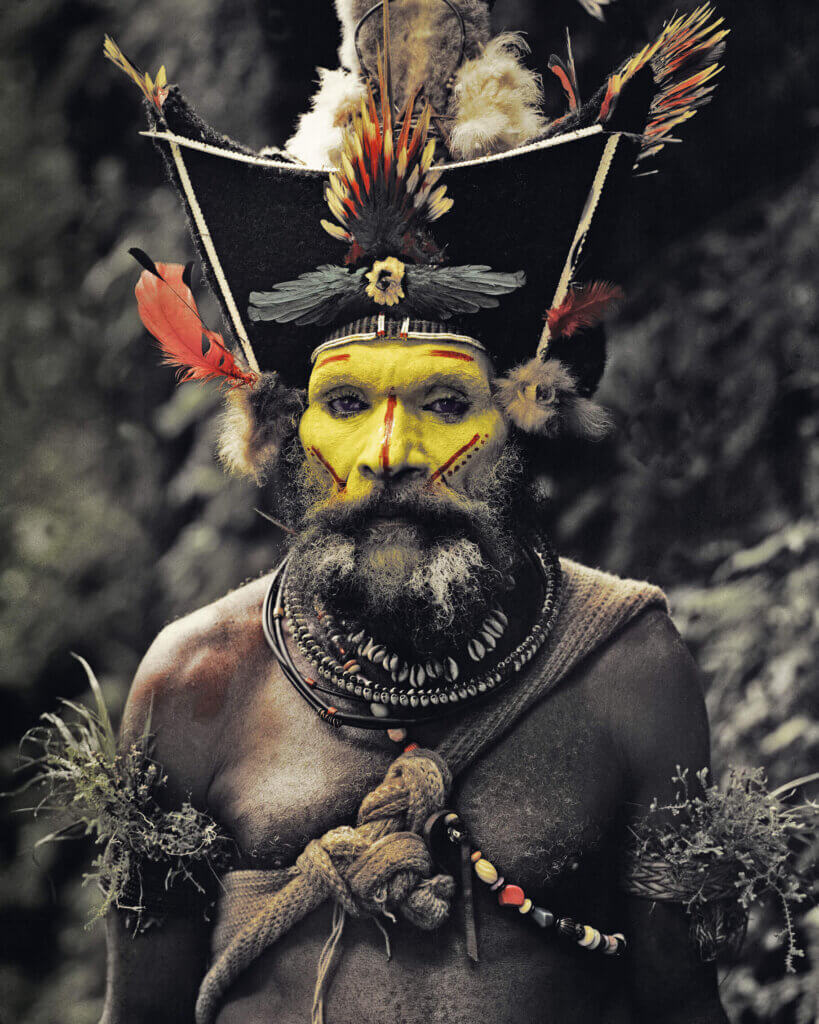
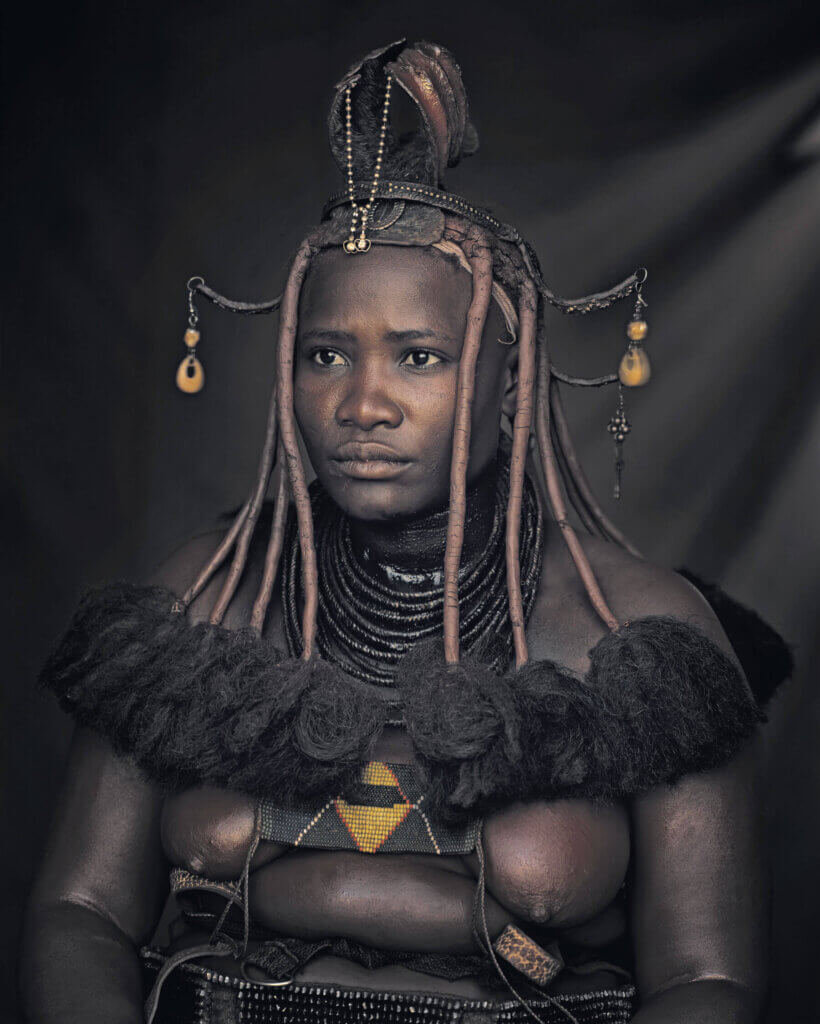
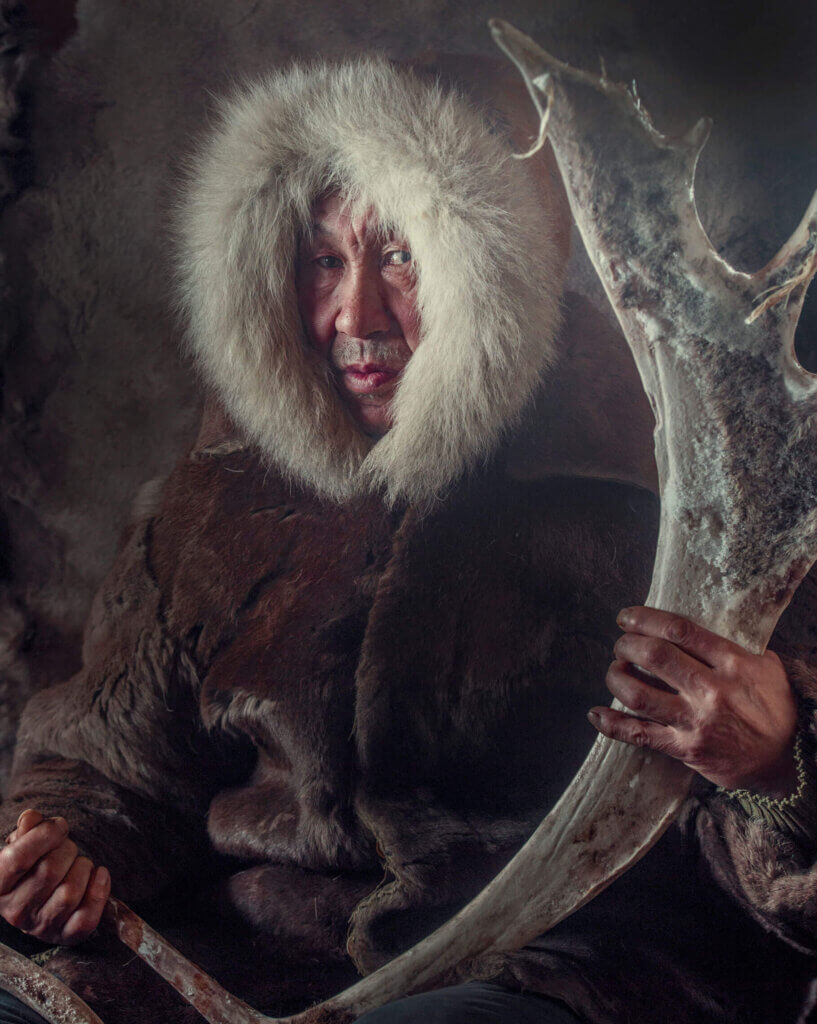
To photograph Oman is to encounter a people entirely at home in who they are.
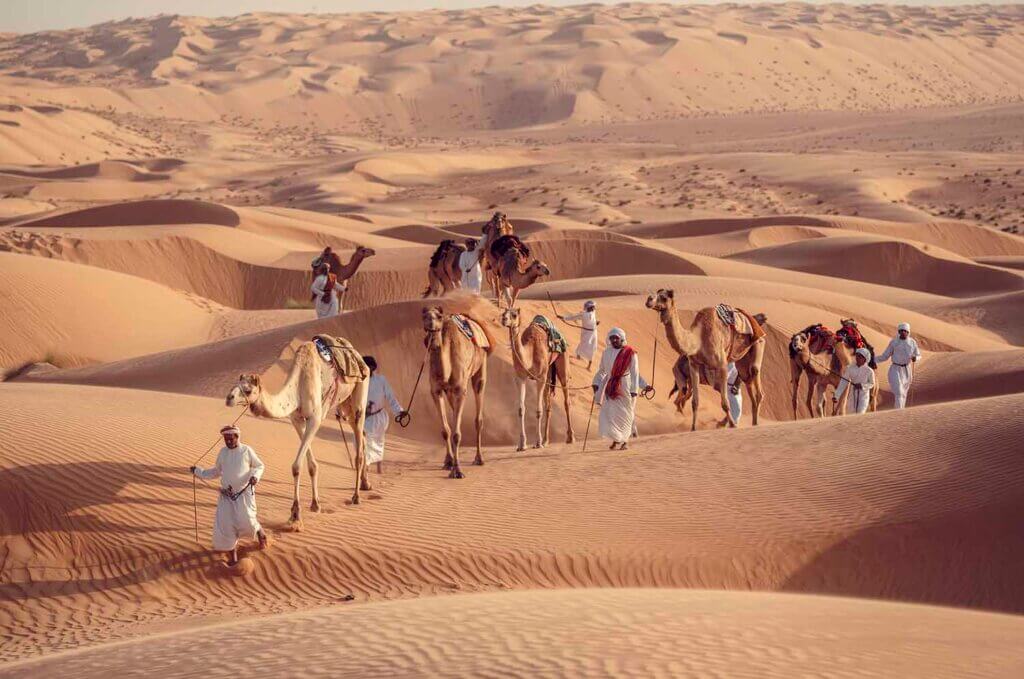
What makes Oman singular is not its landscape alone, but the way its people inhabit it. Tradition here is not preserved behind glass. It is worn, ridden, walked, and celebrated. Gold jewellery passes between generations as living language. Horsemanship is taught before a child can reach the stirrups. Camel caravans still read the dunes the way others read roads. And at festivals across the country, communities gather in full ceremonial dress not for visitors, but for themselves.
Omani Women
In Oman, ceremony is a collective act.
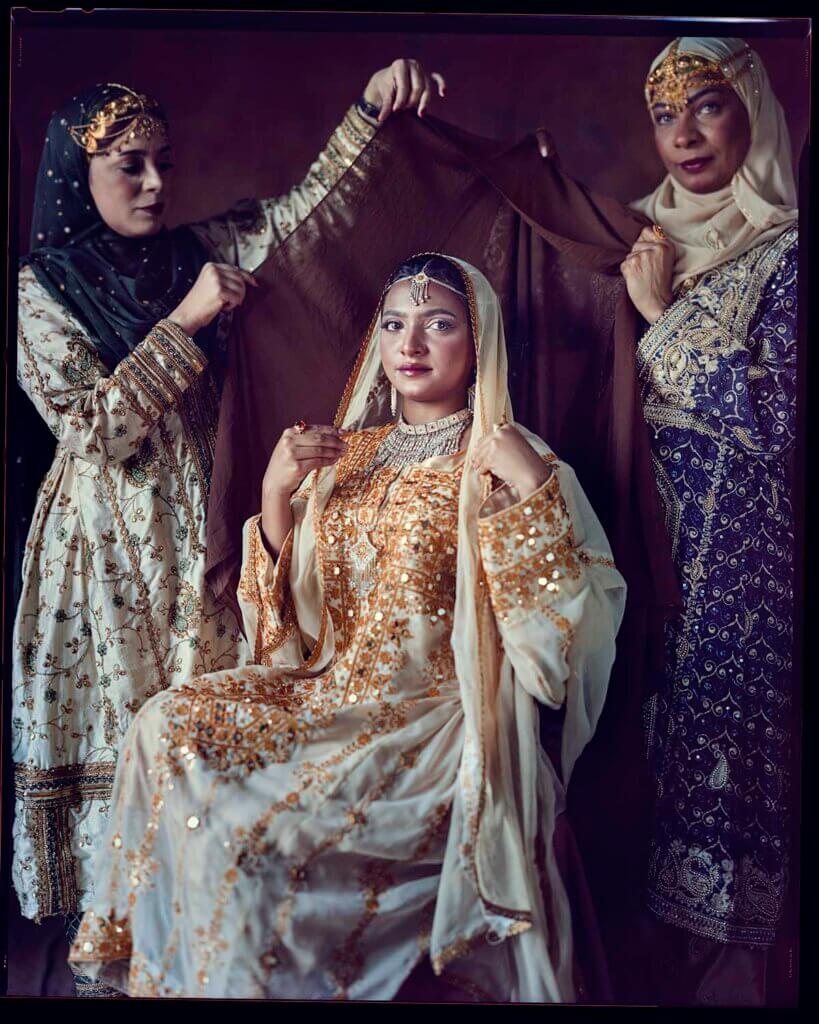
A woman does not adorn herself alone, she is dressed by the hands of others, held within a circle of care that transforms the act of getting ready into something sacred. The central figure sits composed in ivory and gold embroidery while the women beside her lift the fabric above her, framing her like a living portrait. Gold jewellery is not decoration here. It is inheritance, protection, and pride, passed between women as a living language. To be adorned in Oman is to be told, without words: you are seen. You are held. You are ours.
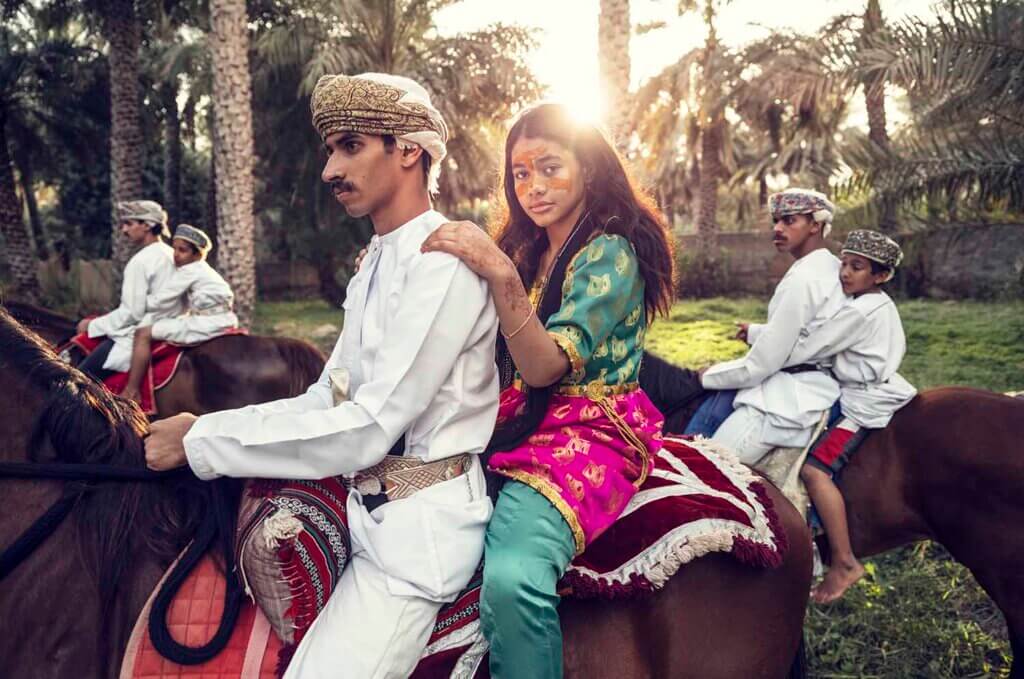
Riding together
Among the date palms of Al Hamra, in the golden hour before the sun disappears behind the Hajar mountains, two riders share a horse while others move slowly through the green around them.
His white dishdasha is immaculate. Her face is painted with the deep marks of celebration. This is how belonging is made visible in Oman, not in grand gesture, but in proximity, in shared direction, in the quiet act of moving through the world together. The sun breaks through the palms behind them like something being confirmed.
Language of gold
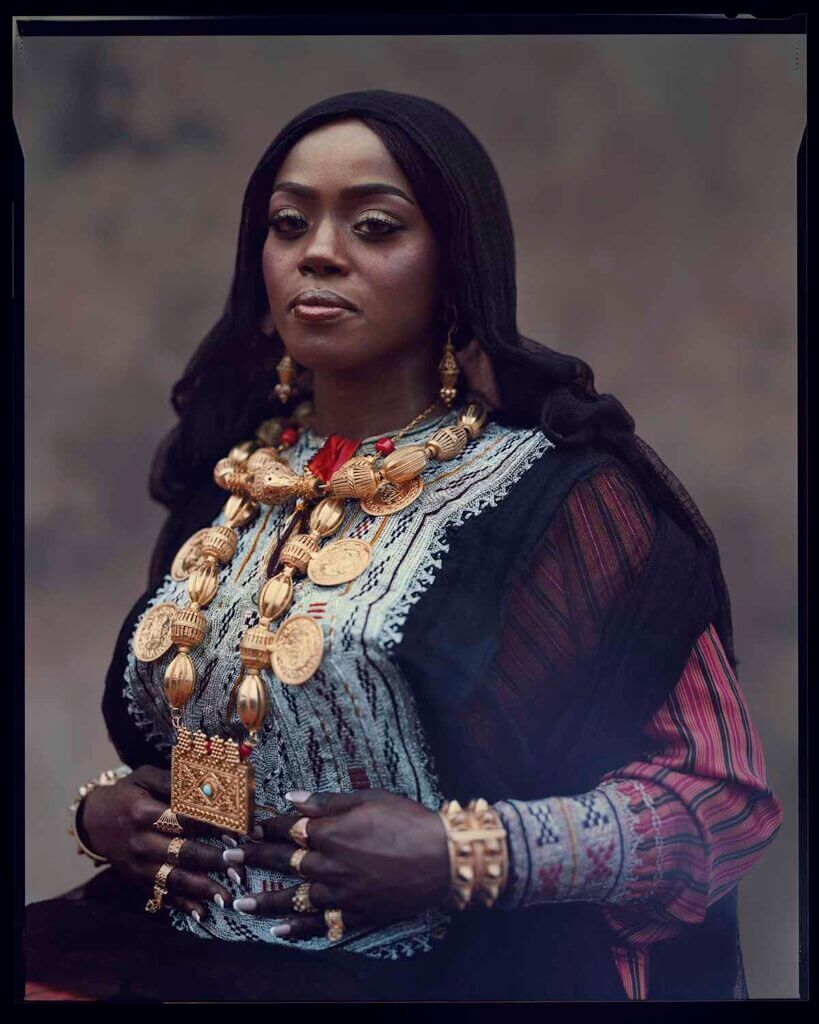
Omani silver and gold jewellery is among the most elaborate in the Arab world — and among the most personal.
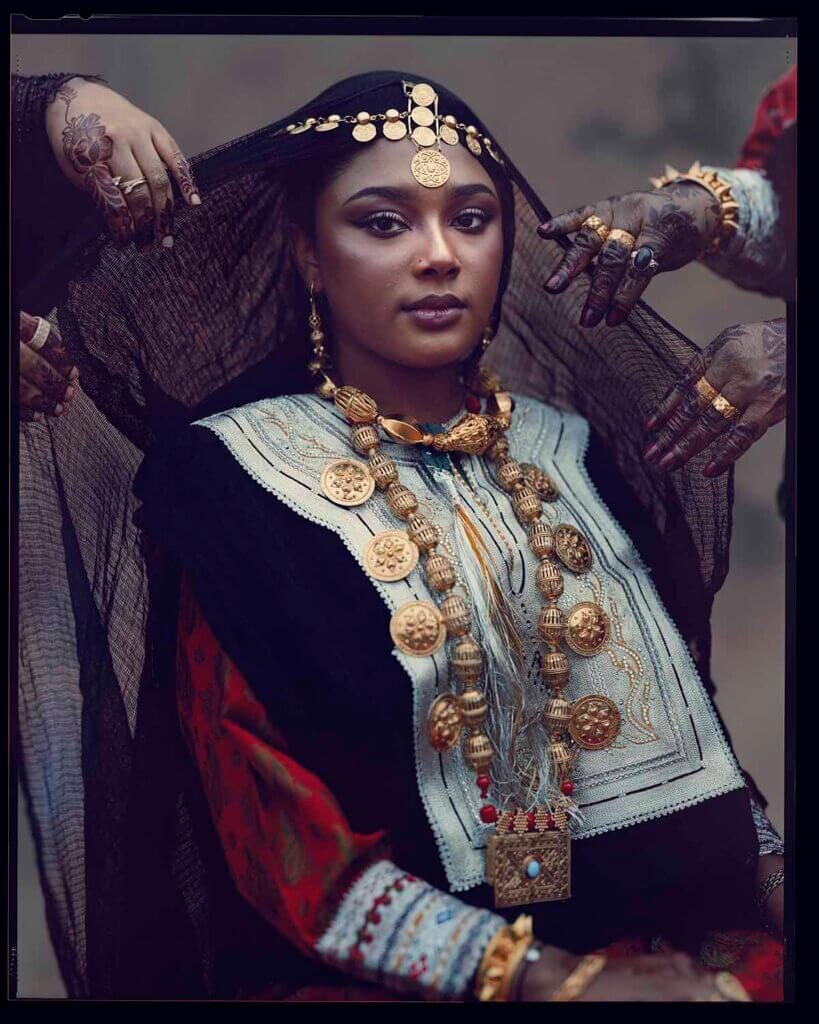
Each piece carries meaning beyond beauty: the community it belongs to, the region it comes from, the woman who wore it before. A woman adorned in the full weight of her inheritance is not dressed for others. She is dressed for herself and for the story she carries. Hands painted with henna, rings on every finger, a headdress of hammered coins, this is not ornament. This is identity, worn with absolute conviction.
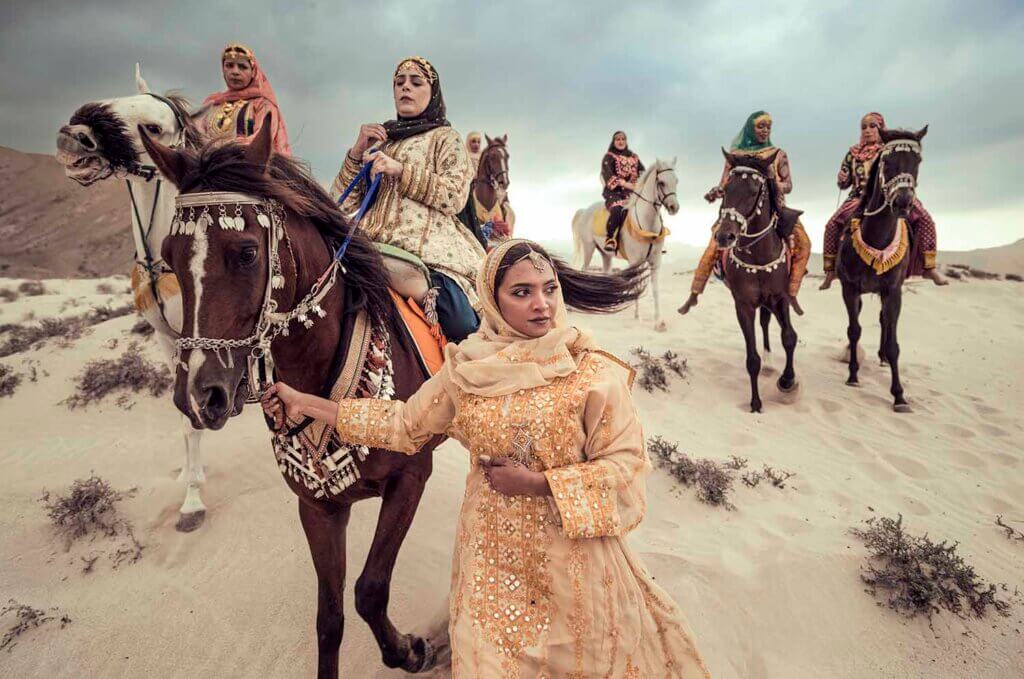
Dhows and trading
Buthaina stands before that history with the full weight of her inheritance around her neck. The gold is substantial: hammered coins, carved beads, a decorated chest piece, rings on every finger. Each piece speaks to a lineage that the sea trade made possible. Sur’s wealth came from the water, and it was worn by the women who kept life on land while the men sailed. Buthaina carries that story now, quietly, completely, in no need of explanation.
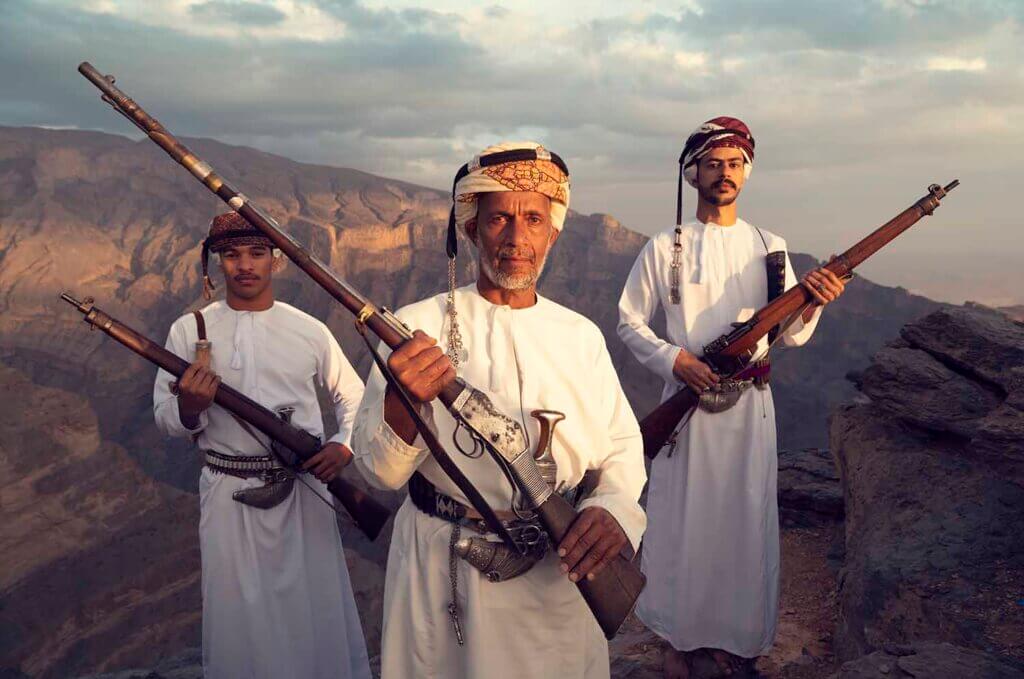
The guardians of the canyon
At the rim of the Wadi al Nakhur — the Grand Canyon of Arabia — three men stand against a sky that cannot decide between storm and sunset. They hold their long-barrelled rifles not as weapons but as emblems: of lineage, of the land they come from, of a tradition of mountain guardianship that goes back further than any of them can name. The Hajar mountains are among the oldest geological formations on earth. The people who live among them carry that permanence in how they stand. Unhurried. Unafraid.
Entirely at home in a place most of the world will never reach.
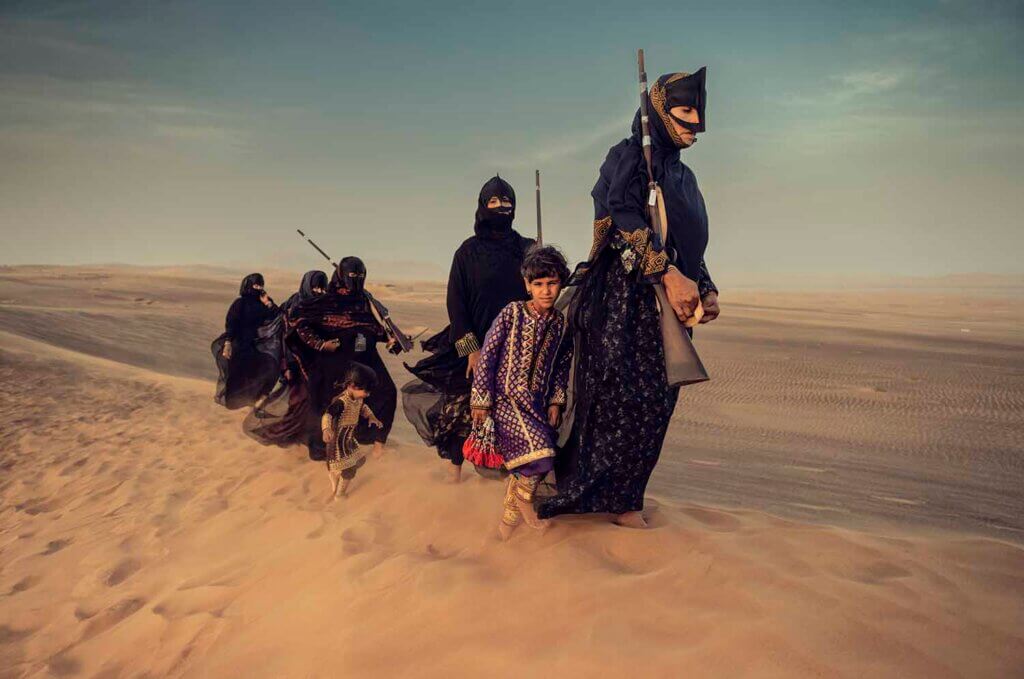
The Omani People
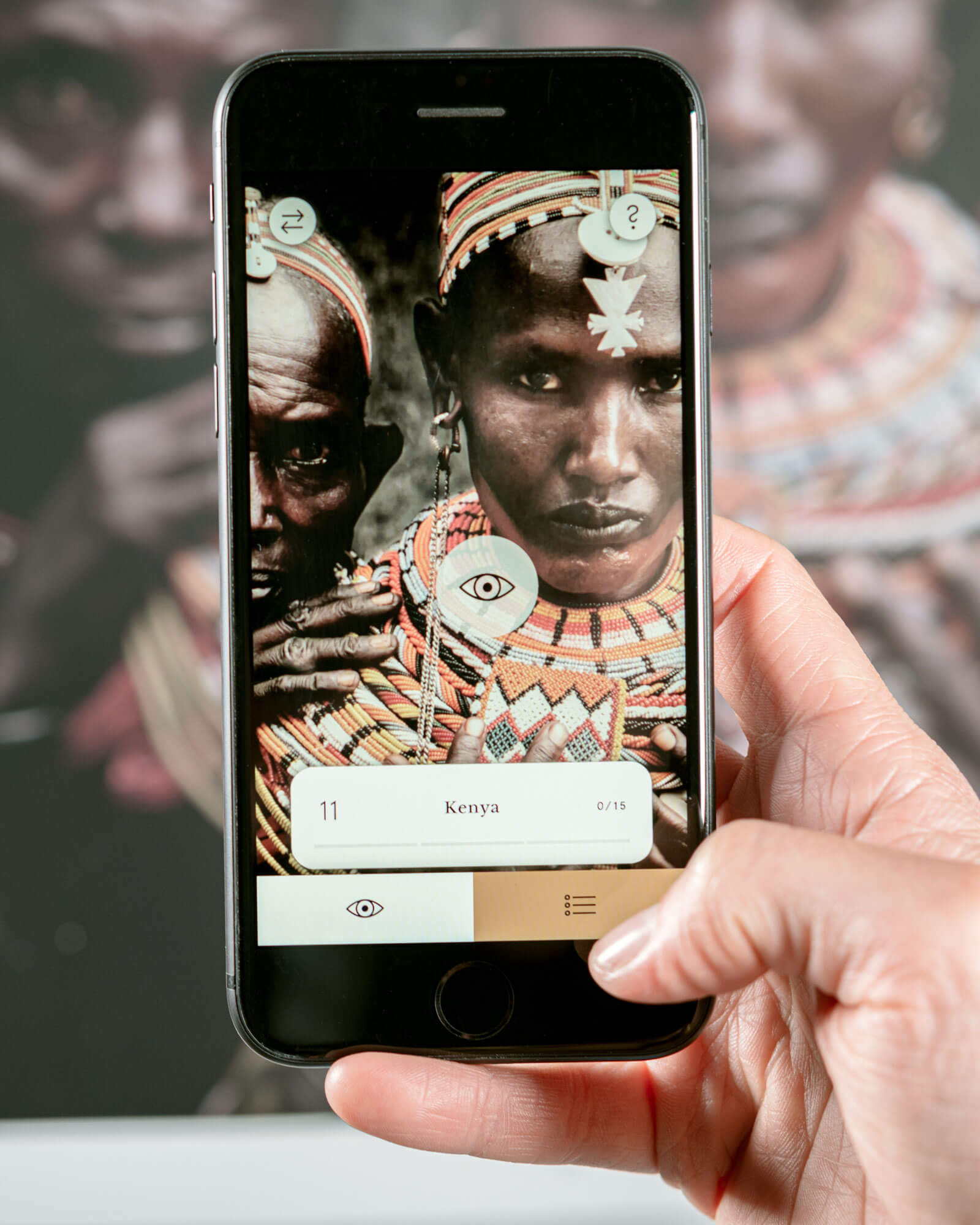
Jimmy Nelson App
The app is back online!
We’re busy reconnecting all videos and will have everything running smoothly again very soon.

Newsletter Signup
Subscribe to our newsletter today and embark on a journey with Jimmy Nelson. Plus, enjoy the added thrill of a monthly chance to win an exclusive Cardset!